
Exosomes: Revolutionizing Drug Delivery
Vybion's Gene Therapy delivery platform
What Are Exosomes?
Exosomes are tiny, naturally occurring vesicles secreted by cells throughout the body. Typically ranging from 30 to 150 nanometers in diameter, these membrane-bound particles serve as messengers, transporting proteins, lipids, and genetic material between cells. Recent research has revealed that exosomes play a vital role in cellular communication, immune responses, and, notably, have immense potential as vehicles for drug delivery.
Why Use Exosomes for Drug Delivery?
Traditional drug delivery systems often face challenges such as poor targeting, rapid clearance, and potential toxicity. Exosomes offer several distinct advantages:
- Biocompatibility: Since exosomes originate from the body’s own cells, they are less likely to trigger immune reactions.
- Targeted Delivery: Exosomes can be engineered to carry drugs directly to specific cells or tissues, improving efficacy and reducing side effects.
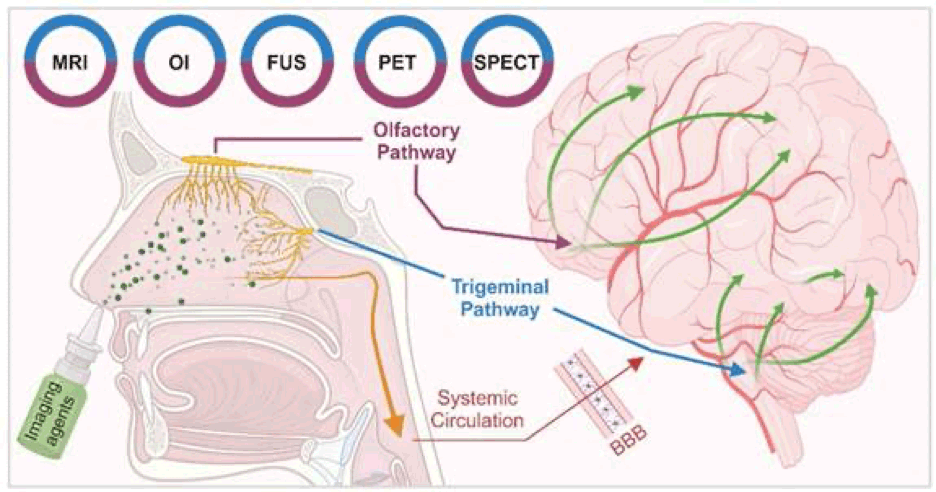
- Crossing Biological Barriers: Exosomes can cross challenging barriers like the blood-brain barrier thru intranasal delivery, opening new possibilities for treating neurological disorders.
- Stability: These vesicles naturally protect their cargo from degradation in the bloodstream.
How Are Exosomes Used in Drug Delivery?
Researchers have developed innovative techniques to load exosomes with therapeutic agents such as small molecules, RNA, or proteins. Once loaded, these exosomes can be administered to patients, where they deliver their payload to targeted cells. This approach is being explored for a range of applications, including:
- Cancer Therapy: Delivering chemotherapy drugs or genetic material directly to tumor cells.
- Neurological Disorders: Transporting neuroprotective agents across the blood-brain barrier for diseases like Huntington’s, Alzheimer’s and Parkinson’s.
- Gene Therapy: Facilitating the delivery of RNA or DNA to correct genetic defects.
- Immunomodulation: Modifying immune responses in autoimmune diseases or transplant rejection.
Current Challenges and Future Directions
While exosome-based drug delivery holds great promise, several challenges remain. Key hurdles include large-scale production, purification, and ensuring consistency between batches. Researchers are actively developing novel methods to overcome these obstacles, including synthetic exosome mimics and advanced engineering techniques.
The future of exosome-mediated drug delivery looks bright, with ongoing clinical trials and expanding research. As our understanding grows, exosomes may soon become a cornerstone in the next generation of precision medicine.
Conclusion
Exosomes are transforming the landscape of drug delivery, offering targeted, efficient, and safer ways to treat a variety of diseases. Continued research and technological advancements will be crucial in realizing their full potential and bringing exosome-based therapies from the laboratory to the clinic.